Displaced schoolboy scores 98.9% in Sudan's exams — and wins a scholarship
War drove his family from their home. Displacement did not stop Ahmed Osman Farsino from finishing near the very top of Sudan's Basic Education Certificate examinations, with a score of 277 out of 280.
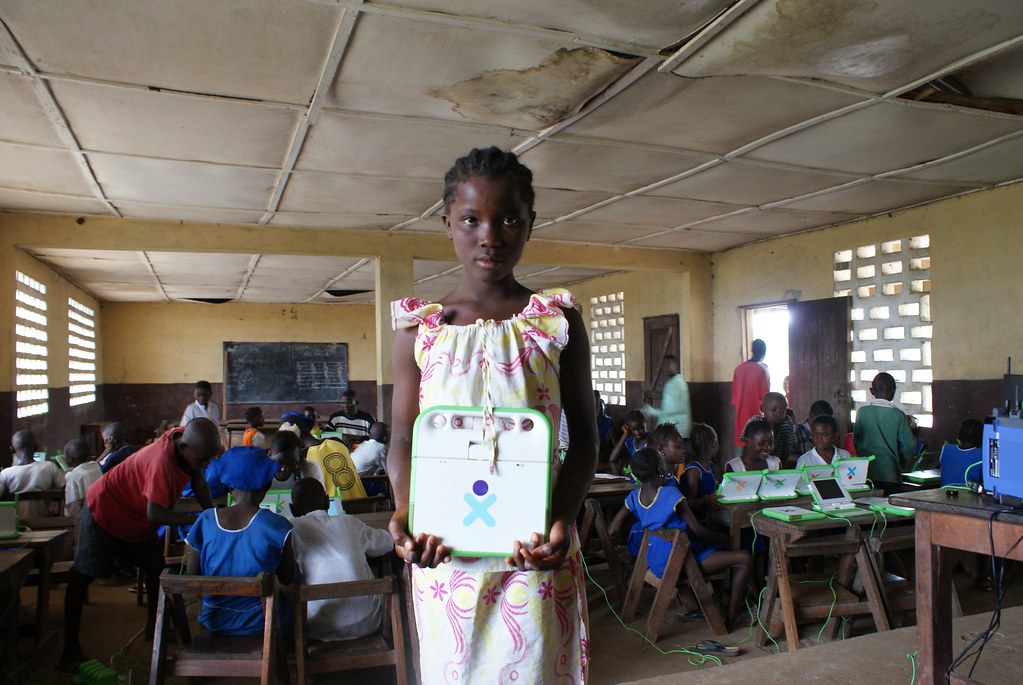
KOSTI — A South Sudanese schoolboy displaced by war has achieved one of the highest scores in Sudan's Basic Education Certificate examinations, scoring 277 marks out of a possible 280 — 98.9 per cent — in results that have drawn congratulations across two countries.
Ahmed Osman Farsino — whose school gives his full name as Ahmed Osman Faustino Mani — is a student at Al-Andalus Private Schools in Kosti, the river port city in Sudan's White Nile State where large numbers of South Sudanese have sought refuge. The school's dean, Dr Kamal Abu Shama, announced that the institution, which had already been supporting the displaced student with free education, would now grant him a full scholarship to continue into secondary school.
A result that travelled
The story, reported by Eye Radio, spread quickly on social media in South Sudan, where it was received as a moment of collective pride. Commentators celebrated not only the near-perfect score but the circumstances behind it: a child whose education was uprooted by conflict, studying in a foreign school system in a country itself at war, and finishing within three marks of the maximum.
For his school, the achievement was also a point of pride. Al-Andalus Private Schools publicly honoured its pupil, presenting his result as the fruit of his own effort supported by teachers who had refused to let his displacement define his prospects. The scholarship ensures that money will not be the reason his education stops at the basic level — the point at which, for most displaced children, schooling quietly ends.
The wider picture: a generation at risk
Farsino's success is the uplifting exception in a bleak regional story. Sudan's civil war, raging since April 2023 between the army and the Rapid Support Forces, has closed schools across the country, displaced millions of children and left examination systems in many states suspended, delayed or improvised. South Sudanese families who had lived in Sudan for work and study were among those scattered by the fighting — many fleeing back across the border, others, like Farsino's, remaining in relatively calmer areas such as White Nile State.
Even where examinations have been held, they have been exercises in logistics under fire. This month alone, more than 3,700 pupils from the Nuba Mountains sat primary certificate examinations across the border in South Sudan's Ruweng Administrative Area, while South Sudan's own universities warned they face record demand from more than 40,000 qualifying candidates next year. Every one of those systems is straining; every candidate who sits an exam at all has already overcome obstacles that would end the education of most children.
It is against that background that a score of 98.9 per cent resonates. It is, on its face, one boy's result. But in a region where war has made schooling itself an act of defiance, it reads to many as evidence of what displaced children can do when a school simply refuses to give up on them — and when they refuse to give up on themselves.
Kosti itself tells part of the story. The White Nile river port has become one of the principal havens for people fleeing Sudan's war, hosting large numbers of displaced Sudanese and South Sudanese alike, and the state around it has laboured to keep public life — including examinations — functioning. State officials in White Nile have this season overseen intermediate certificate examinations for more than 25,000 candidates, a sign of how much of Sudan's remaining education system now runs through its relatively calmer states. That a displaced South Sudanese boy could sit, excel and be publicly honoured within that system speaks to a generosity that cuts across the region's many divisions.
What comes next
With his scholarship secured, Farsino will continue at secondary level in Kosti. His story now joins a small but growing catalogue of displaced South Sudanese students excelling in examination halls from Khartoum to Kampala to Cairo — young people whose results keep arriving, year after year, as quiet rebuttals to the idea that war gets the last word on their futures.
For the thousands of South Sudanese children still out of school in displacement camps and host communities, the distance between their reality and Farsino's result remains vast. But his three dropped marks — out of 280 — have given two countries something rare this year: an education story with a happy ending, and a standing argument, in one boy's exercise books, for every school that keeps its doors open to the displaced.