Women just 3% of master's graduates and none at PhD level, says University of Juba chief
For all the celebration at the University of Juba's biggest-ever graduation, its vice-chancellor used the occasion to expose an uncomfortable truth: at the highest levels of South Sudanese academia, women are almost entirely absent.
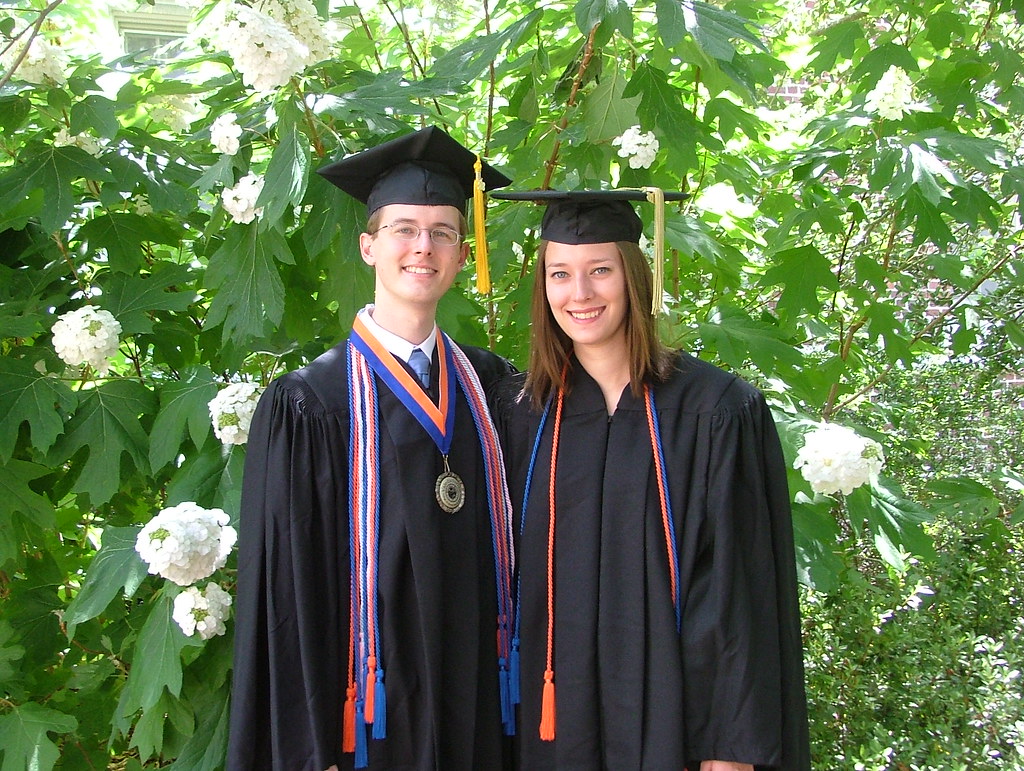
JUBA — Women accounted for just three per cent of master's degree graduates and none of the PhD graduates, the Vice-Chancellor of the University of Juba, Professor John Akech, has said — a stark statistic that cast a shadow over the university's 28th convocation ceremony this weekend.
The figures, reported by Eye Radio, were highlighted by Professor Akech as the university graduated more than 6,000 students from 23 schools — its largest class ever. Of the total, 1,503 students received master's degrees and 16 received doctorates, alongside 3,655 bachelor's degrees, 1,325 diplomas and 277 postgraduate diplomas. Against those numbers, the near-absence of women at the summit of the academic ladder stood out sharply.
A pipeline that narrows to a trickle
The pattern Akech described is one education specialists across Africa recognise: girls' participation in schooling rises at the basic levels, but the pipeline narrows at every step upward — secondary school, undergraduate study, and then, most dramatically, postgraduate research. By the time a cohort reaches the PhD, in South Sudan the women have all but disappeared.
The consequences reach far beyond the university. A country that produces almost no women with doctorates produces almost no women professors, few women in senior research and policy roles, and a thin bench of women qualified for the most senior technical posts in government and industry. The 16 new PhD holders will go on to teach the next generation; that none of them is a woman means the lecture halls of the future will, once again, be led overwhelmingly by men.
Why the gap persists
The barriers are well documented and cumulative. Girls in South Sudan face early marriage, household labour demands and school fees that families — forced to choose — often prioritise for sons. Those who reach university confront the cost of years of study; Professor Akech himself noted at the convocation that many graduates of both sexes had worked part-time jobs to pay their tuition, a burden that falls hardest on students with the fewest family resources and the most competing obligations.
Postgraduate study multiplies every one of those pressures. A master's degree, and still more a doctorate, demands years of additional fees, research time and often travel — precisely at the age when social expectations around marriage and family intensify. Without targeted scholarships, childcare support, female mentors and visible role models in academia, even highly able women are filtered out long before the doctorate.
There is also the question of academic culture. Akech, who has publicly championed science education — including efforts to draw more women into science-based fields at the University of Juba — has argued before that the country's development depends on using all of its talent. His decision to put the three per cent figure on the record at the university's biggest celebration of the year appears designed to force the issue onto the national agenda rather than let the ceremony pass as uncomplicated good news.
'South Sudan has invested in you'
The convocation, presided over by President Salva Kiir Mayardit in his capacity as the university's chancellor, was otherwise a day of national pride. The Caretaker Minister of General Education and Instruction, Kuyok Abol Kuyok, told the graduates that the country, their families and their communities had sacrificed to educate them, and that the responsibility now lay with them to convert that investment into service, innovation and leadership.
That message lands differently in light of Akech's numbers. South Sudan's investment in education is producing graduates in record numbers — but the return on that investment, at its highest and most influential levels, is being drawn from only half the population. The minister also revealed this weekend that more than 40,000 candidates are projected to qualify for university admission next year, a surge that will test the system's capacity in every respect. How many of those candidates are young women, and how far up the ladder they will be helped to climb, will help determine whether the three per cent figure is a low point or a pattern.
What would change it
Education advocates argue the remedies are known, if not cheap: scholarships reserved for women in postgraduate programmes, funding for women researchers, flexible study routes for students with family responsibilities, and deliberate recruitment of women into academic posts so that today's master's students can see a future version of themselves at the front of the lecture hall.
For now, the statistic stands as the weekend's most sobering headline: 6,000 graduates, 1,503 master's degrees, 16 doctorates — and, at the very top, women at three per cent and zero. The vice-chancellor has named the problem in public. What the university system, the ministry and the country's donors do with that number is the story to watch.